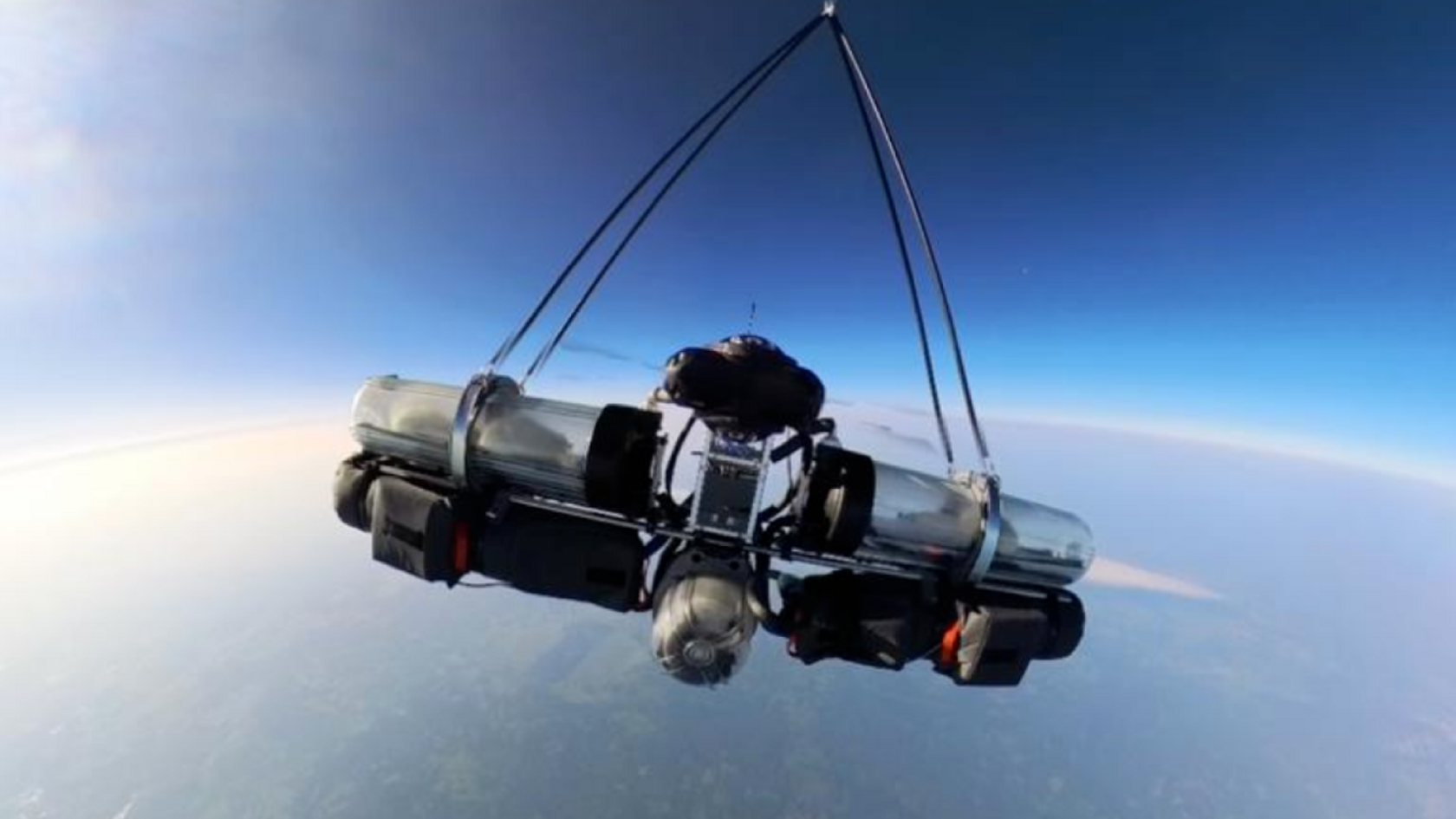
Biotech laboratory Neiry has carried out a scientific experiment: researchers and engineers sent Pythia the rat on the first-ever stratospheric flight — reaching 18 kilometers in altitude — to test how a brain with a neurointerface adapts to stratospheric conditions. The experiment was successful, and all the rats’ vital signs remain normal.
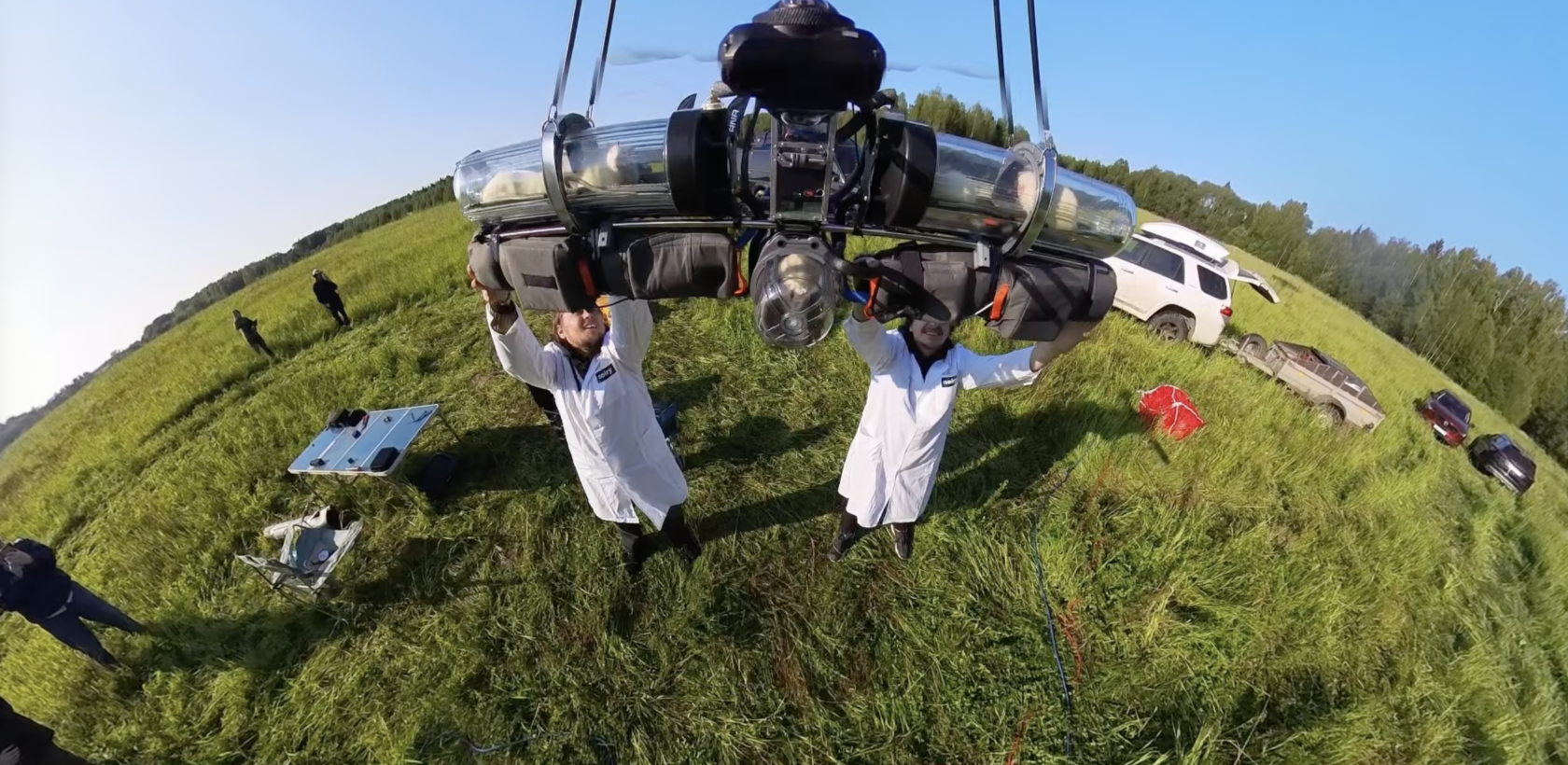
Key stages of the experiment:
The launch took place early in the morning in the Yaroslavl region. The flight lasted 1 hour and 30 minutes, during which the capsule reached an altitude of 18,680 meters. The capsule successfully landed in a forest, about 80 kilometers from the launch site.
The launch took place early in the morning in the Yaroslavl region. The flight lasted 1 hour and 30 minutes, during which the capsule reached an altitude of 18,680 meters. The capsule successfully landed in a forest, about 80 kilometers from the launch site.
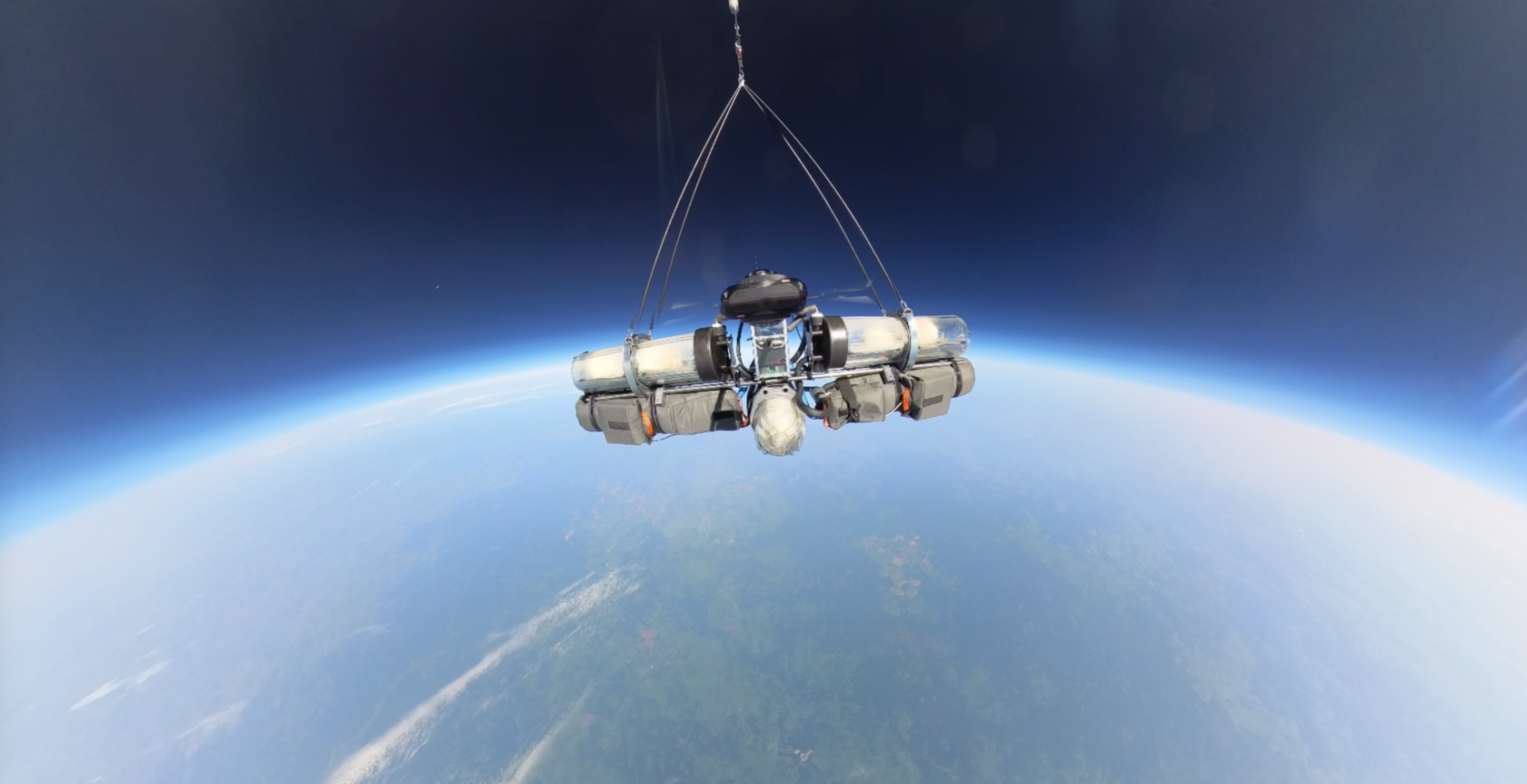
The main goal of this first experiment was to test the performance of BCI (Brain–Computer Interfaces) and BAII (Brain–Artificial Intelligence Interfaces) technologies, as well as to study how the brain with an implanted neurodevice responds to extreme stress, radiation, temperature fluctuations, acceleration, and confined environments — all of which can only be fully replicated during flight conditions.
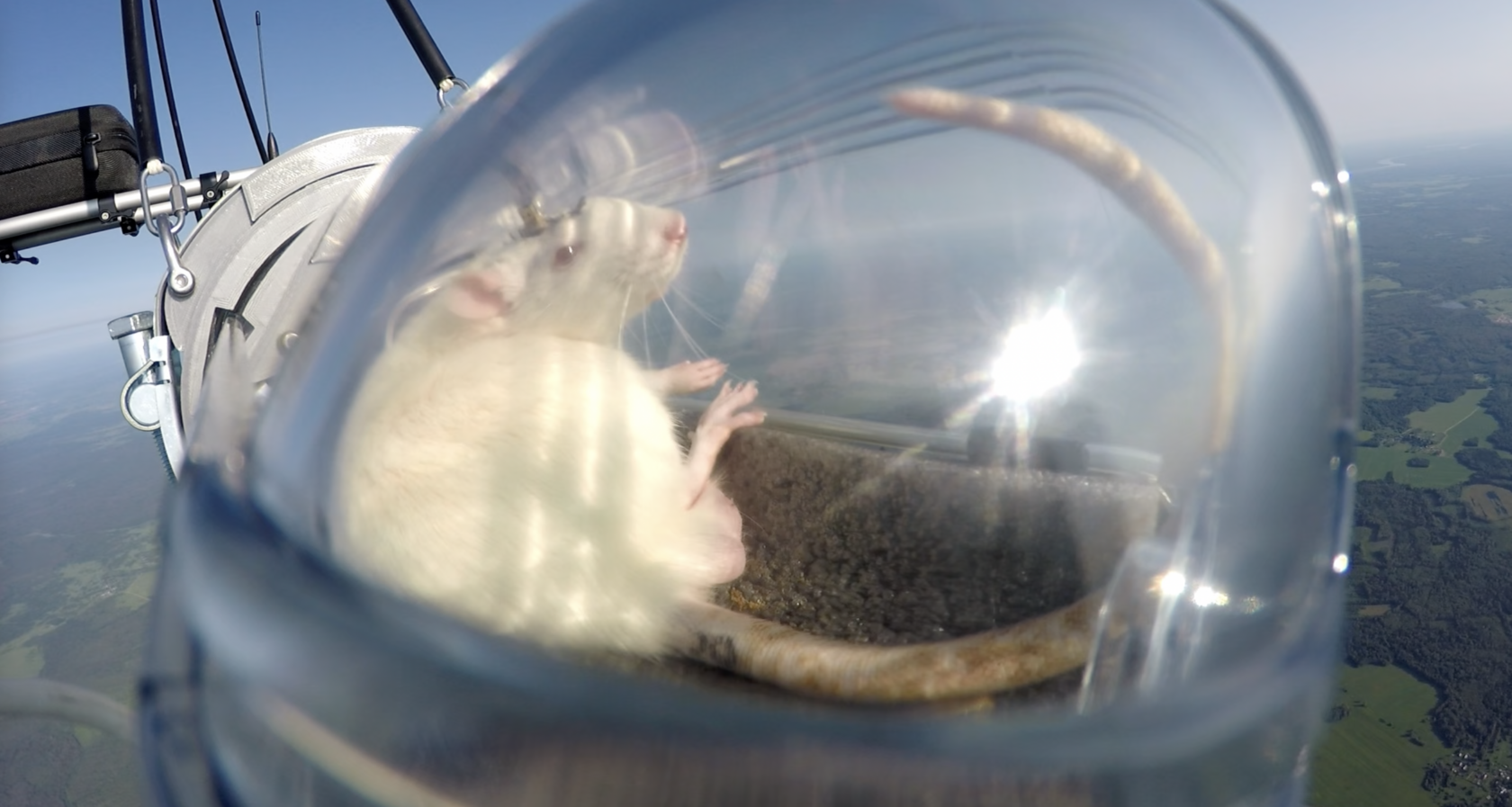
Aboard the capsule were five rats implanted with invasive neurointerfaces. All rats returned alive and in satisfactory condition. The following day, they had fully resumed normal behavior, remaining calm and active.
After returning to Earth, the rats were transported to the MSU Institute of Artificial Intelligence laboratory to assess the condition of their brains and the implanted neurodevices.
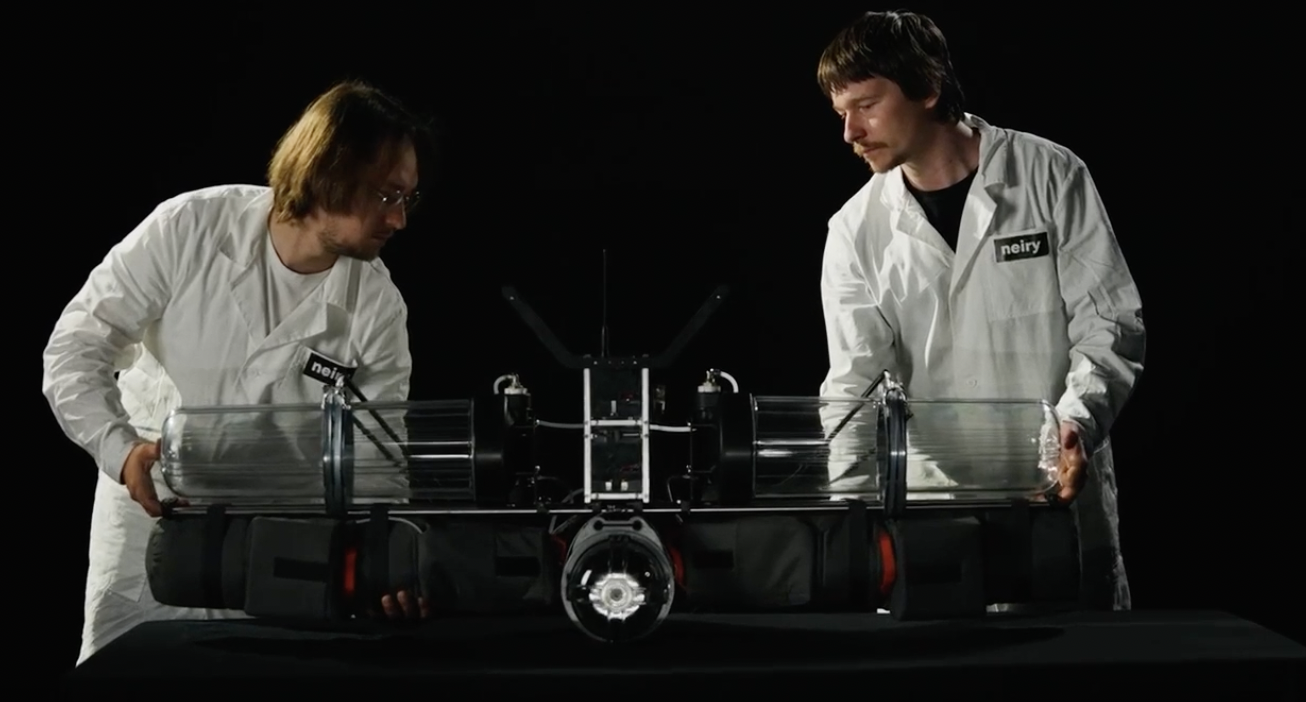
The Space Pi stratospheric platform was developed by Russian engineers specifically for such missions. The craft consists of sealed capsules equipped with an autonomous life-support system, temperature, pressure, and gas control modules, as well as video surveillance and telemetry systems. The capsule can withstand pressure drops of up to 6 bar, maintain an internal temperature comfortable for rodents, and ensure their autonomous survival throughout the flight.
“Invasive neurointerfaces connected to AI will one day become indispensable assistants for humans. We believe they will first be used in the most responsible professions — such as pilots and astronauts. This means we need to begin testing these technologies right now,” said Alexander Panov, founder of the Neiry Group.
“Once we are certain that our technologies function reliably in the stratosphere, we’ll begin exploring whether the interaction between the biological brain and artificial intelligence can be utilized in space — to achieve types of neuroplasticity unattainable on Earth. For instance, Pythia might learn something new in zero gravity, leading to the formation of new neural representations and a retraining of the nervous system. This will allow us to understand how the nervous system can operate in space in synergy with AI. We will obtain valuable data that will form the basis for numerous scientific publications. In the future, systems that unite the biological brain and AI may be capable of solving complex tasks — including controlling spacecraft,” explained Mikhail Lebedev, Professor at Moscow State University and Neiry consultant.